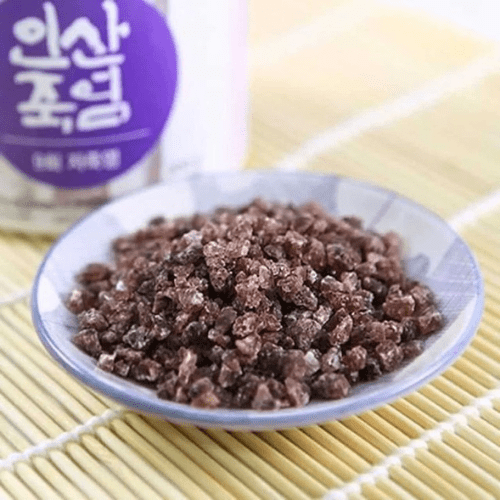
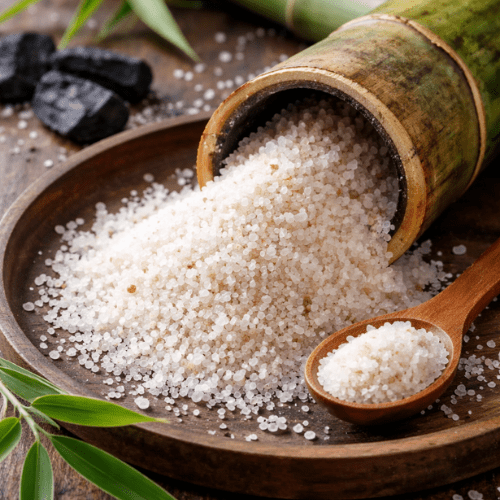
Bamboo salt was originally developed by Buddhist monks nearly one thousand years ago as a traditional medicine for the Korean people, (and is why it’s also known as Korean bamboo salt). It’s made by filling bamboo stalks with sea salt and roasting it at a high temperature to remove toxins and infuse the salt with minerals. In the 20th century, a renowned Korean herbalist and healer, Kim Il-hoon, determined that roasting sea salt 9 times with bamboo, clay, and pinewood, including a high heat firing with resin, removes more toxins, maximizes mineral potency, and optimizes bamboo salts’ therapeutic potential.
How Is Bamboo Salt Made?
Bamboo salt is unlike any other salt on earth due to its meticulous, labor-intensive production process that amplifies the healing benefits and purity of sea salt. Honoring ancient Buddhist monk traditions, bamboo salt is handcrafted in small batches over 25 days:
First, natural sea salt is hand-harvested from the Western coast of Korea and dried in the sun.
The salt is then deposited into 3-year-old bamboo pillars and sealed with red clay collected from deep in the Korean mountains.
Next, the bamboo pillars are placed in an iron kiln and roasted over a pinewood fire at 1472°F. As the bamboo heats up, oil seeps from the wood and is absorbed into the salt, infusing minerals, flavor, and health-enhancing properties.
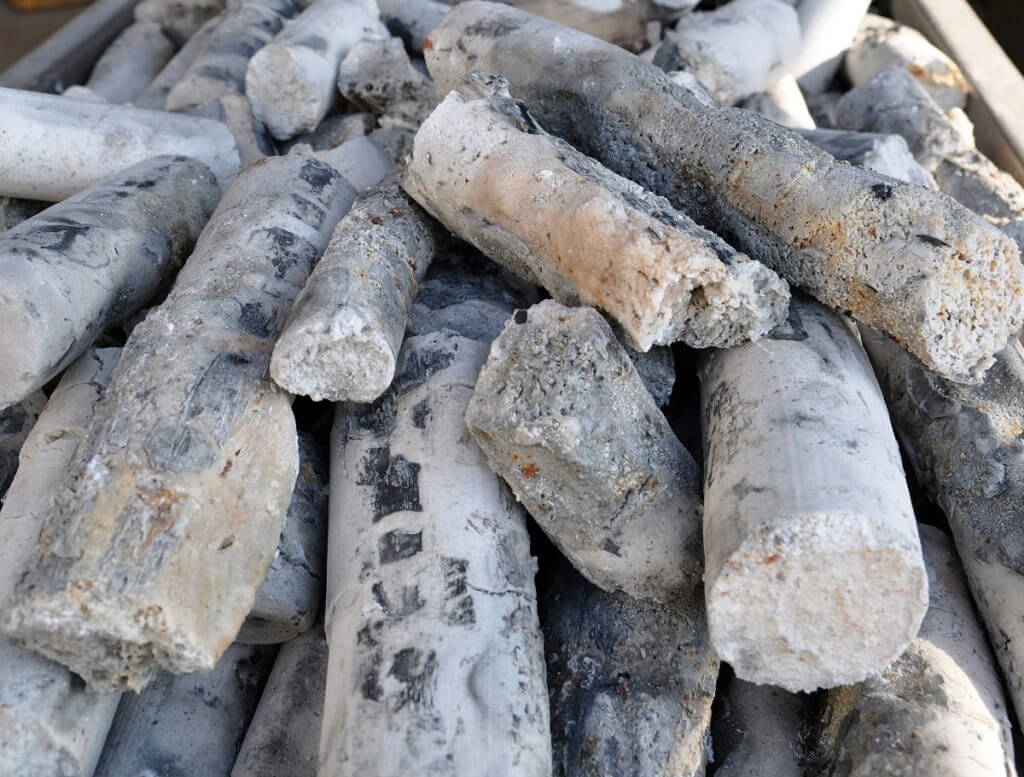
After 8-15 hours, the bamboo is incinerated and a white salt pillar remains.
The salt pillars are then ground, and re-sealed into new bamboo stalks to be roasted 1 to 9 times. With each firing, the salt’s purity, alkalinity, mineral content, therapeutic properties, and Sulphur flavor increases.