
What is Bamboo Salt?
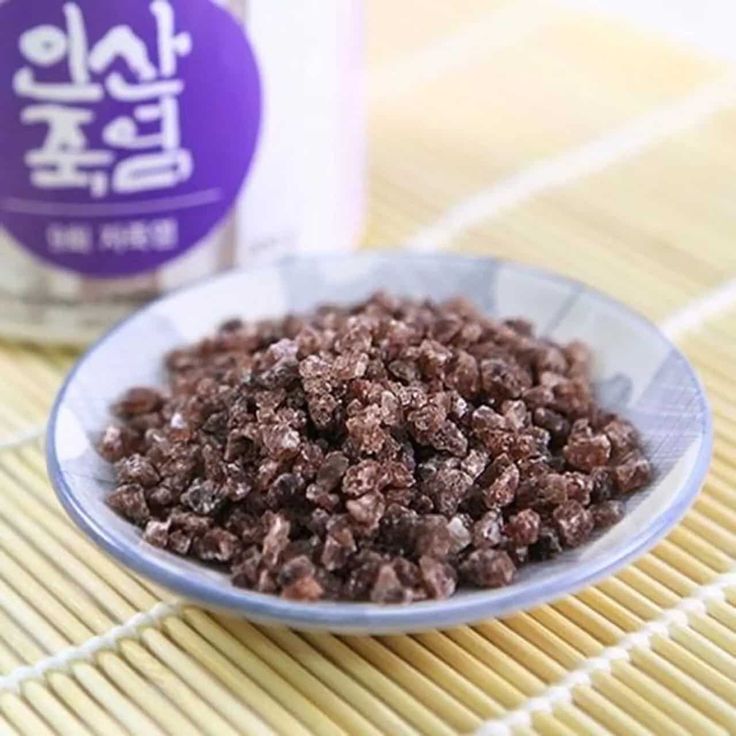
Bamboo salt, or Jugyeom, is a mineral-rich salt of very high purity and alkalinity that is carefully prepared according to a thousand-year-old Korean Buddhist monk tradition. A staple in most Korean households for culinary and medicinal use, bamboo salt is quickly becoming renowned around the world for its premium quality and vast health benefits
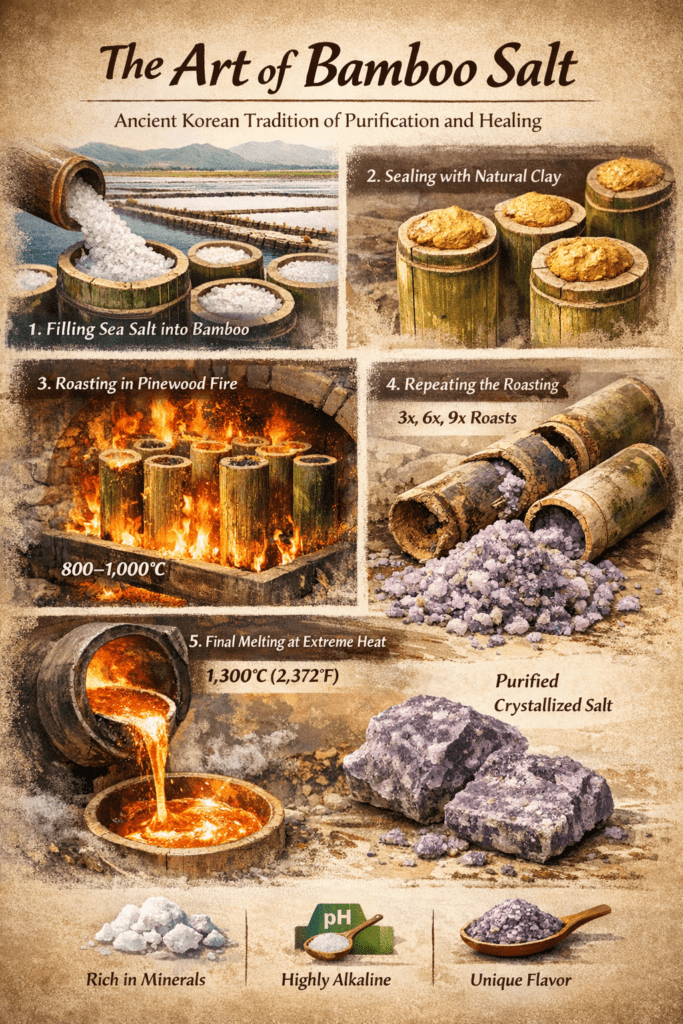
Bamboo salt is made by filling bamboo tubes with sea salt and sealing them with clay. The tubes are then roasted at high temperatures, often using pinewood as fuel. This process is repeated up to nine times, infusing the salt with minerals from the bamboo and clay while removing impurities. The final product is a nutrient-rich, alkaline salt with a distinct taste and numerous health benefits.
History of Bamboo Salt
Bamboo salt was originally developed by Buddhist monks nearly one thousand years ago as a traditional medicine for the Korean people, (and is why it’s also known as Korean bamboo salt). It’s made by filling bamboo stalks with sea salt and roasting it at a high temperature to remove toxins and infuse the salt with minerals. In the 20th century, a renowned Korean herbalist and healer, Kim Il-hoon, determined that roasting sea salt 9 times with bamboo, clay, and pinewood, including a high heat firing with resin, removes more toxins, maximizes mineral potency, and optimizes bamboo salts’ therapeutic potential.
The origins of bamboo salt can be traced back to ancient Korea, where it was developed by Buddhist monks seeking natural remedies and elixirs for healing and purification. Inspired by traditional Korean pottery techniques, these monks discovered that roasting sea salt in bamboo stalks sealed with yellow clay produced a uniquely flavorful and medicinal salt. Over time, bamboo salt became an integral part of Korean culture and cuisine, revered for its purported health benefits and spiritual significance. Today, bamboo salt remains a cherished tradition in Korea, passed down through generations and celebrated for its culinary and therapeutic properties.
Production Methods
The production of bamboo salt is a labor-intensive and meticulous process that involves several stages of roasting and refining. First, high-quality sea salt is packed into bamboo stalks, which are then sealed with yellow clay to prevent oxidation and contamination. The sealed bamboo stalks are roasted in a kiln at high temperatures, ranging from 800 to 1500 degrees Celsius, for several hours to several days, depending on the desired grade of bamboo salt. The intense heat transforms the sea salt into bamboo salt, infusing it with the unique flavors and minerals from the bamboo and clay. After roasting, the bamboo salt is carefully removed from the stalks, crushed into fine particles, and sifted to remove impurities, resulting in a pure and potent seasoning with a distinctive taste and aroma.
Bamboo salt is unlike any other salt on earth due to its meticulous, labor-intensive production process that amplifies the healing benefits and purity of sea salt. Honoring ancient Buddhist monk traditions, bamboo salt is handcrafted in small batches over 25 days:
- First, natural sea salt is hand-harvested from the Western coast of Korea and dried in the sun.
- The salt is then deposited into 3-year-old bamboo pillars and sealed with red clay collected from deep in the Korean mountains.
- Next, the bamboo pillars are placed in an iron kiln and roasted over a pinewood fire at 1472°F. As the bamboo heats up, oil seeps from the wood and is absorbed into the salt, infusing minerals, flavor, and health-enhancing properties.
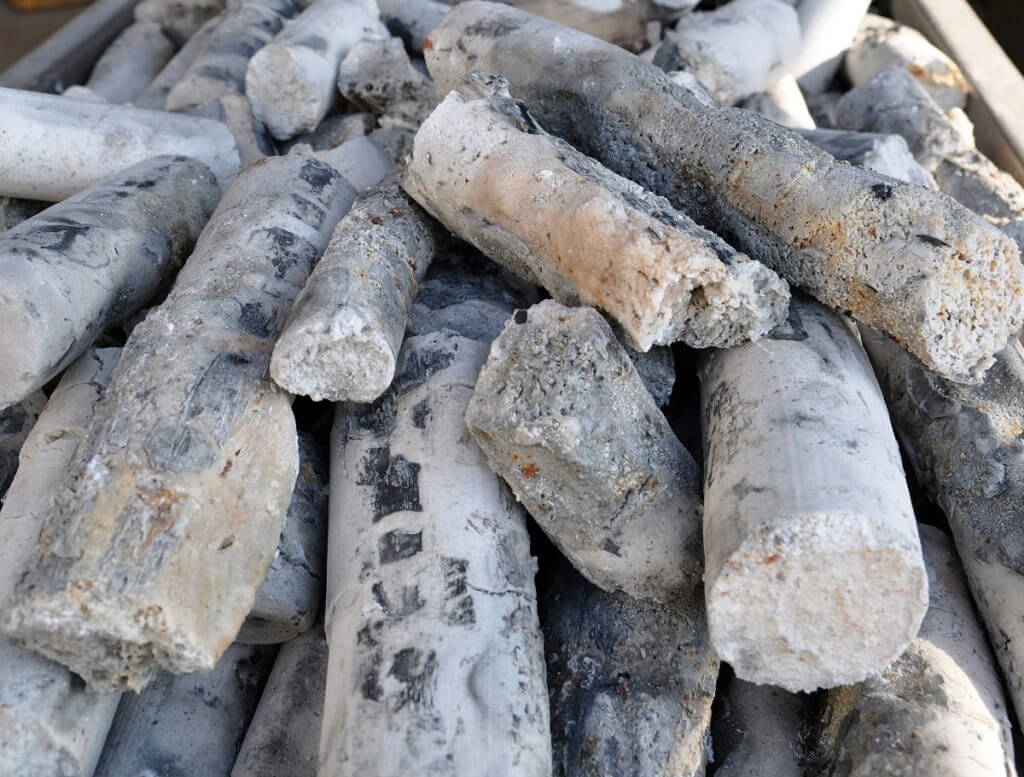
- After 8-15 hours, the bamboo is incinerated and a white salt pillar remains.
- The salt pillars are then ground, and re-sealed into new bamboo stalks to be roasted 1 to 9 times. With each firing, the salt’s purity, alkalinity, mineral content, therapeutic properties, and Sulphur flavor increases.
Nutritional Components of Bamboo Salt
Bamboo salt contains a rich array of minerals and trace elements derived from the bamboo, clay, and sea salt used in its production. These minerals, including calcium, magnesium, potassium, and iron, contribute to the nutritional profile of bamboo salt, enhancing its potential health benefits. Additionally, the roasting process imparts antioxidants and other bioactive compounds to bamboo salt, further augmenting its therapeutic properties. While the exact composition of bamboo salt may vary depending on factors such as the source of sea salt and the roasting technique used, it is generally regarded as a nutritious and flavorful seasoning with potential health-promoting effects.
Top Benefits of Bamboo Salt
1. Rich in Minerals
Bamboo salt contains essential minerals like potassium, magnesium, and iron. These minerals support overall health by promoting proper muscle function, improving bone density, and enhancing blood circulation.
2. Alkalizing Properties
As an alkaline salt, bamboo salt helps balance the body’s pH levels, reducing acidity. A balanced pH can prevent conditions like acid reflux and promote overall well-being.
3. Detoxification
The roasting process infuses bamboo salt with detoxifying properties. It helps remove toxins from the body and supports liver and kidney health.
4. Improved Digestion
Bamboo salt stimulates digestive enzymes, aiding in better digestion and absorption of nutrients. It can also relieve symptoms of indigestion and bloating.
5. Anti-Inflammatory and Antimicrobial Properties
Bamboo salt is known for its ability to reduce inflammation and fight bacterial infections. It can be used topically for wound healing or as a mouthwash for oral health.
Conclusion
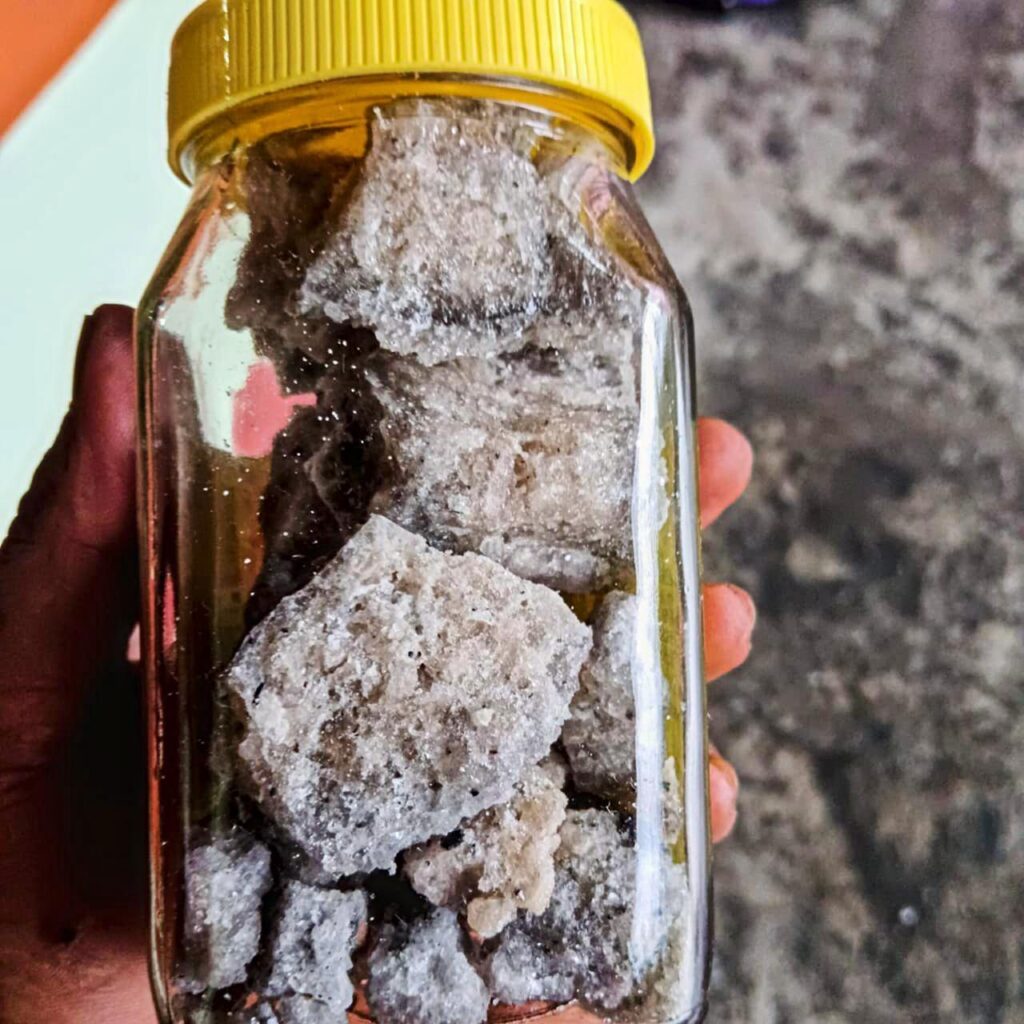
Bamboo salt is not made in a factory — it is crafted through tradition, patience, and nature. Each step of the process enhances the salt’s purity and nutritional value, making it one of the most unique salts in the world.
Whether used for cooking or wellness, bamboo salt represents a perfect blend of ancient wisdom and natural science